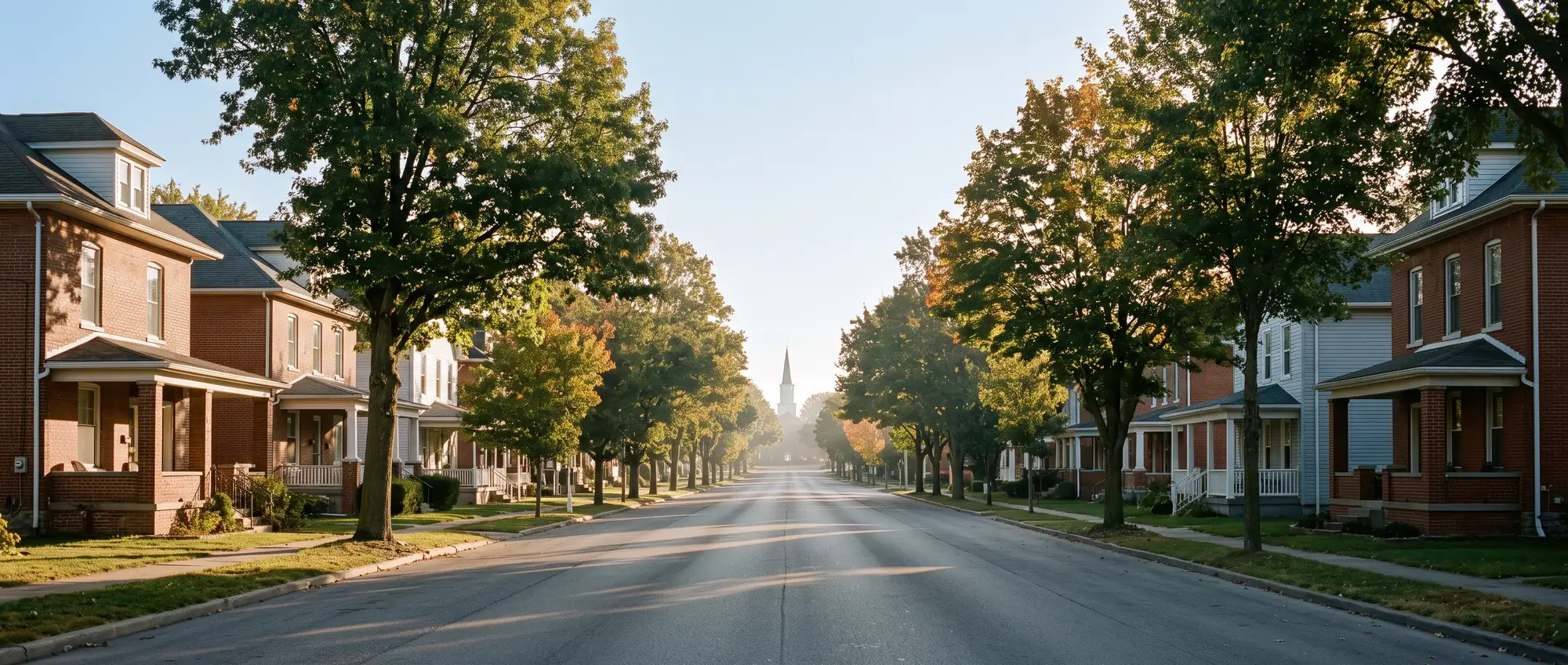
Photo by Pexels – Article submitted by Sarah Velasquez of OurPerfectAbode.com
When you walk into a freshly finished new home, it’s easy to get swept up in the smell of new paint, the shine of stone countertops, the hum of untouched appliances. But don’t confuse polish for precision. Beneath the surface, even the most pristine-looking build can hide long-tail issues that haven’t been tested, noticed, or admitted. That hour-long walkthrough isn’t enough to confirm quality, it’s a tour of promises. And unless you know what to ask, what to press, what to really look for, you could wind up paying for someone else’s shortcuts. So before the house is yours, treat the tour like a negotiation with reality, not a celebration of finish lines.
When Speed Sabotages the Structure
Tight construction schedules often prioritize closings over quality. While the builder may say things are “ahead of schedule,” you need to ask: What did that speed skip? There’s a direct link between short timelines and long-term risks: framing rushed, concrete poured too soon, or subs pressured to finish without inspections. You’re not just buying drywall and flooring, you’re buying the timeline that built it. And when timelines accelerate too fast, speed-driven construction often leads to corner-cutting and subpar structural work. Don’t just ask how fast they built it, ask who was watching the speedometer.
Attic Air Can Wreck Your Roof
The attic isn’t just storage, it’s a pressure zone. If it’s sealed tight but poorly ventilated, trapped heat and moisture start working against your roof, drywall, and HVAC. You won’t feel it during a tour, but give it one full summer and you’ll be rethinking that “energy efficiency” claim. In some cases, you’ll find heat pressing down into the living space while mold quietly grows overhead. Most builders gloss past attic details, but inadequate passive attic ventilation traps heat and moisture. Always look up and ask down: where’s the air going?
Systems That Haven’t Been Tested Yet
That shiny thermostat? Might’ve been installed yesterday. Your plumbing? Could’ve been pressure tested, or not. HVAC, electrical, water heaters—these systems are often installed late, sometimes rushed, and rarely tested under real load before closing. You won’t hear the hums, clicks, and clunks that emerge in month two. Many buyers assume that “new” equals “fine,” but improper HVAC installation is a common issue in new homes and often goes unnoticed until post-move-in. The best time to ask hard questions is before you own the silence.
Water Goes Where It’s Allowed To
Outside, it might look perfect, with crisp siding, clean trim, new windows. But what you don’t see is what’s doing the real work: the flashings, wraps, and seals layered underneath. One bad cut, one missed tape line, and you’ve got water in the wall. This isn’t just about leaks, it’s about structural rot, mold in cavities, and insulation ruined before winter. You’re looking for signs of care, not just completion, because incorrectly integrated housewrap and flashing create weak points for moisture entry. If they rushed the skin, the bones are probably worse.
Downhill Water Always Wins
Walk around the property. Where does the land slope? Are the downspouts pushing water away from the foundation, or into it? Drainage doesn’t make the brochure, but it makes or breaks your crawlspace. When homes aren’t graded right, water collects, seeps, and starts working on your foundation from below. It won’t crack this week, but give it a season or two. Even small issues snowball, because proper slopes (3–10%) around your home are essential to prevent water pooling and foundation stress. Groundwork isn’t glamorous—but it’s everything.
Post-Close Repair Traps
Sometimes builders agree to repair “punch list” items after closing. That paint touch-up, the cracked tile, the leaky window; they say it’ll get done “right away.” But timelines shift fast once they have your signature. And without it in writing, that promise is more hope than contract. Many buyers don’t realize that builders may defer agreed-upon repairs until post-closing; buyers are not obligated to accept them without documentation. Before closing, ask what’s unfinished, and get it in ink, not in conversation.
What the Warranty Does (and Doesn’t) Cover
It’s not just about having a warranty, it’s about knowing how it behaves. Ask the builder for a full copy before closing and review the sections on structure, systems, and workmanship. Some defects won’t show for months, especially in plumbing, HVAC, or framing. And the window for claims might be shorter than you think. A warranty’s fine print spells out home builders warranty coverage details, from labor and materials to long-haul structural protections. Don’t treat it like a safety net unless you’ve read the fine threads.
The walkthrough is not a parade, it’s a stress test. Your job is not to admire the result, it’s to interrogate the process that got there. The details most buyers miss are the ones that cost the most later: airflow, water direction, systems that haven’t stretched their legs. A good build speaks in layers, not just looks. So bring a flashlight, a notepad, and a voice that asks more than surface questions. That hour you spend walking could save you years of surprise repairs.
Ready to tour homes without missing what matters? Reach out to Christopher Garguilo at Realty Connect for sharp, experience-backed insight that looks beyond the surface.