Image: Freepik – Article submitted by Alice Robertson of TidyHome.info
Buying a home is a major milestone, but when you have pets, there’s more to think about than just mortgage rates and square footage. From finding a neighborhood that welcomes animals to helping them adjust to a new space, the process comes with a unique set of considerations. Moving can be stressful for both humans and animals, especially when routines are disrupted. By planning ahead and making pet-centered choices, you can reduce friction at every stage of the move. This guide offers practical advice for navigating the home buying and relocation process with your pet’s comfort and safety in mind.
Choosing a Pet-Friendly Neighborhood
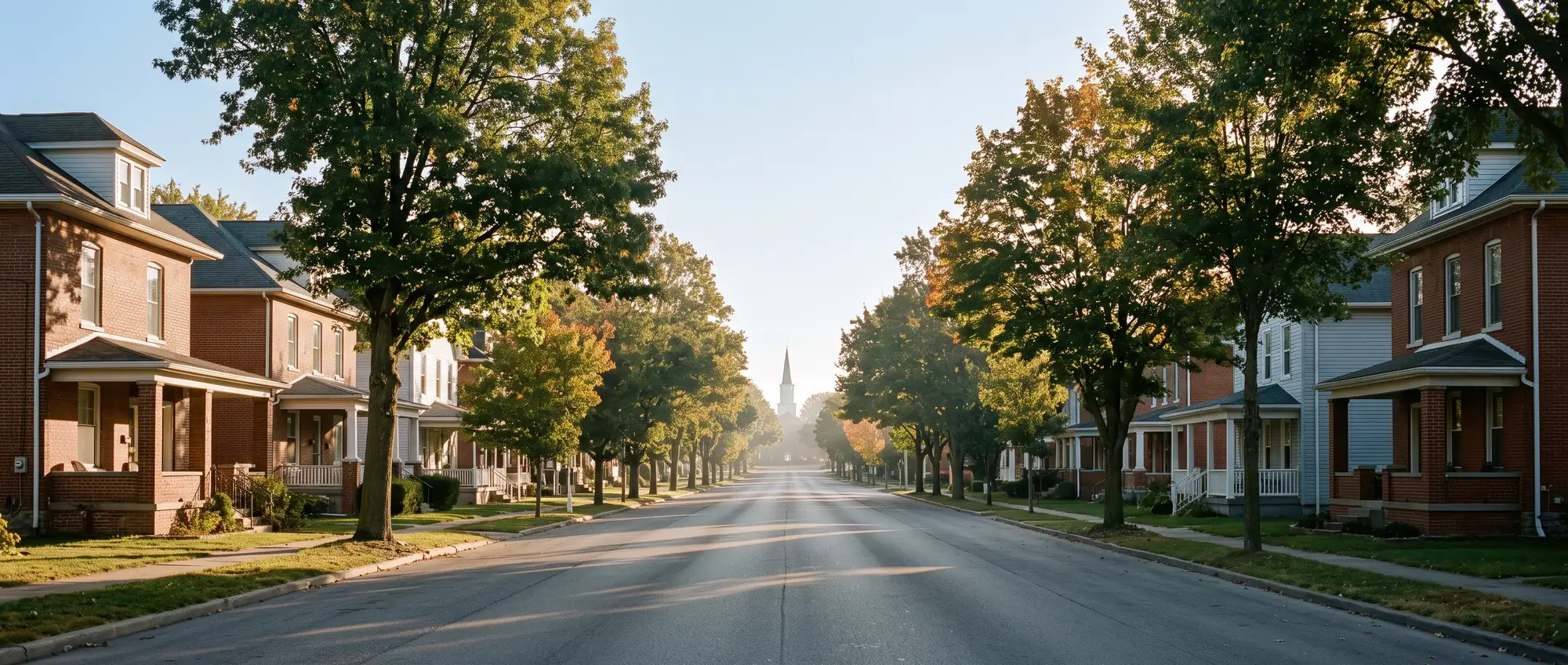
Not all “family-friendly” neighborhoods are created equal when it comes to pets. Some HOA rules ban certain breeds. Others fine you for not leashing your dog inside your own yard. Before you fall in love with a craftsman on a cul-de-sac, investigate leash laws, fence ordinances, noise rules, and walking routes. Drive through the neighborhood in the morning and after work — do you see dogs being walked? Are there sidewalks? Is there shade? A good test: if you’d enjoy walking your dog there every day, they probably will too. If it feels sterile or tense, your pet will pick up on that long before the moving van pulls in.
Prioritizing Pet-Safe Home Features
It’s easy to get distracted by granite countertops, but your dog doesn’t care about your backsplash. What they will notice: slippery tile floors, a backyard with gaps under the fence, and whether the home has rooms that make crate placement impossible. Think like your pet — is there a quiet space to retreat to when guests come over? Can the flooring survive an anxious cat’s zoomies at 2 a.m.? Does the layout allow them to watch you from multiple rooms without stress pacing? You’re not just buying a house. You’re choosing their entire ecosystem. Make it one that anticipates their needs, not just yours.
Streamlining the Paperwork Process with Tech
Amid all the physical logistics, digital friction can quietly drain your energy. Home buying requires dozens of document exchanges — contracts, disclosures, last-minute signatures. For pet owners balancing tight timelines and animal care, being able to review and sign paperwork securely from your phone or laptop can make or break a closing. Consider tools that support electronic signatures. Check this out to sign, send, and manage documents from anywhere, removing the need for in-person meetings and printing hassles. That’s less time shuffling paper and more time making sure your anxious dog isn’t chewing a hole in the new carpet.
Showing Your Home While Keeping Pets Safe
If you’re selling your current home while buying, you’ve got another mess to manage: keeping your place show-ready while protecting your pets. Open houses are chaos magnets. Strangers leave doors cracked. Agents forget to lock up. Dogs bark themselves hoarse. Cats bolt under beds and disappear. If possible, board your pets during showings or create a routine that includes safe containment, scent-neutralizing cleaners, and clear instructions for agents. Never assume visitors will respect your pet’s boundaries. This isn’t the time to experiment. It’s the time to overcommunicate.
Preparing Pets for the Moving Day
You’re stressed. They’re sponging it. The week before the move is when most pets start acting out — skipping meals, hiding, getting clingy. Introduce moving boxes slowly. Don’t pack their stuff last minute. Let them see you handle it calmly. Crate training should be done weeks in advance, not the night before. On moving day, pets should be the last out and the first in — confined to a quiet, familiar space while chaos unfolds elsewhere. Feed them early. Walk them before the movers arrive. And don’t forget their essentials: water, comfort items, and something that smells like you.
Settling In and Re-Establishing Routines
Once the keys are in your hand, the real adjustment begins. Dogs and cats don’t care that your zip code changed — they care that their food bowl is in a different spot and nothing smells right. Recreate old routines as closely as possible. Feed them at the same time. Use familiar beds, blankets, and toys. Let them explore one room at a time. If your dog is used to walks before dinner, keep that rhythm. Pets don’t just need space. They need a pattern. The sooner you reestablish it, the faster their nervous systems will calm down — and yours, too.
Travel Logistics for Long-Distance Moves
Driving across the country with a howling cat or a car-sick Labrador isn’t just inconvenient — it’s dangerous if done wrong. Plan your route with pet stops in mind. Use crash-tested restraints or crates. Never leave your animal in a parked car, not even for five minutes. Bring more water than you think you need. And prepare for them to act differently on the road: some dogs won’t eat; some cats will hide for hours. Let go of expectations. Your only job during transit is safe arrival. Everything else can wait until the crate door opens at your new home.
Pets don’t know what escrow is. They don’t understand why their favorite sunny window is suddenly gone. What they feel is the disruption, the silence, the tension in your shoulders. If you remember that — if you build your move around protecting their sense of safety — you’re not just buying a home. You’re earning their trust in a new one. Every detail you think through in advance is one less moment of chaos on the day it matters most. And when the boxes are gone and the bed’s made, you’ll know you did it right — because your pet is asleep at your feet again, breathing easy.
Discover the latest insights and trends in real estate with Real Estate with Mr. G and take the next step towards your dream home today!