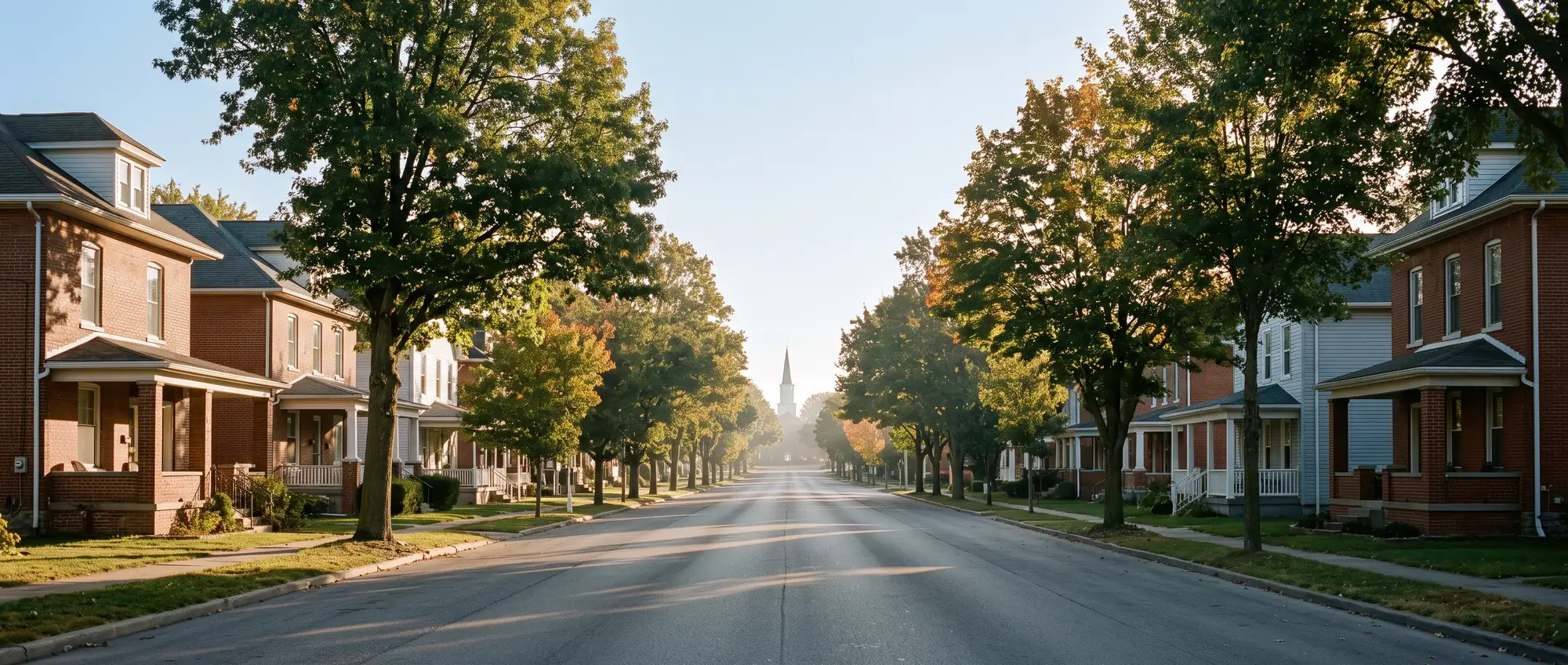
Image: Freepik – Article submitted by Alice Robertson of TidyHome.info
Buying your first home is exciting — and choosing a fixer-upper can make that dream attainable while adding major long-term value. But with older homes come hidden challenges: outdated wiring, leaky plumbing, and structural surprises that can quickly blow your budget. This guide helps you navigate the process like a pro — showing you what to look for, what to fix first, and how to renovate smartly without overspending.
Key Elements
- Start with safety systems: electrical, plumbing, and roofing.
- Budget 20–30% extra for surprises; every old home hides them.
- Cosmetic updates often bring higher ROI than full remodels.
- Know when to DIY vs. hire licensed pros.
- Plan your renovation strategy before closing — not after.
Prioritize Electrical Safety and Code Compliance
Before focusing on paint colors or new flooring, make sure the home’s electrical system is safe and modern. Outdated wiring, overloaded panels, or missing ground wires can create hazards and even affect your ability to insure the home.
If upgrades are needed, use trusted parts and supplies from reputable manufacturers for more information to ensure long-term reliability. Always consult or hire a licensed electrician for panel upgrades, rewiring, or breaker replacements to keep your fixer-upper safe and compliant.
Key Systems to Inspect Before Buying
| Area | Why It Matters | Typical Repair Cost Range | Buyer Tip |
| Foundation | Prevents structural shifting | $5,000 – $15,000 | Cracks over ¼” wide can indicate serious issues. |
| Roof | Protects against water intrusion | $6,000 – $12,000 | Ask about age and shingle type. |
| Electrical | Ensures safety and code compliance | $1,000 – $8,000 | Confirm grounded outlets and GFCI near sinks. |
| Plumbing | Prevents leaks and water damage | $1,500 – $6,000 | Check for corrosion and slow drains. |
| HVAC | Comfort and energy efficiency | $4,000 – $10,000 | Look for clean filters and service records. |
| Insulation & Windows | Energy savings | $2,000 – $8,000 | Check for drafts and moisture buildup. |
Checklist: What to Do Before You Commit
Structural & System Essentials
- Order professional inspections for structure, roof, plumbing, and electrical.
- Look for moisture stains, uneven floors, or cracks in walls.
- Confirm all major systems are functional or budget for replacements.
Financial & Loan Preparation
- Request contractor estimates for large repairs.
- Research renovation-friendly financing options like FHA 203(k) or HomeStyle loans.
- Build a 15–20% contingency fund to cover unknown issues.
Cosmetic & Comfort Upgrades
- Plan simple updates: paint, lighting, fixtures, and landscaping.
- Avoid luxury finishes until structural work is complete.
How-To: Plan and Manage Your Fixer-Upper Renovation
- Assess and Prioritize
Use the inspection report to list repairs from urgent (safety) to optional (aesthetics). - Create a Renovation Timeline
Schedule projects logically — fix leaks and wiring before painting or flooring. - Vet Contractors Thoroughly
Use platforms like Angi or HomeAdvisor for verified reviews. - DIY the Right Tasks
Save money by tackling basic projects: painting, sanding, or simple fixture installs. Learn safely from This Old House tutorials or YouTube Learning. - Track Everything
Use Trello or Notion to monitor budgets, materials, and schedules.
What to Fix vs. What to Skip
Worth the Investment
- Roof, insulation, and window upgrades
- Updated electrical and plumbing
- Painting, flooring refinishing, lighting upgrades
- Simple kitchen or bath updates (hardware, grout, caulk)
Often Not Worth It
- Full-scale luxury remodels
- Major additions or expansions
- Custom landscaping projects
- Ultra-premium materials not aligned with the neighborhood
Pro Tip: Focus on livability and safety — not perfection. Buyers and lenders care more about systems being sound than finishes being flashy.
Helpful Resources for First-Time Buyers
- HUD 203(k) Loan Program Overview
- NerdWallet Mortgage Calculator
- Home Depot Project Planning Tools
- Lowes DIY Resources
- Energy.gov Home Efficiency Upgrades
Product Spotlight: Milwaukee M12 FUEL Oscillating Multi-Tool Kit (2526-21XC)
For any first-time homeowner taking on repairs, flexibility and precision are key — and the Milwaukee M12 FUEL Oscillating Multi-Tool Kit (2526-21XC) delivers both.
This compact, battery-powered tool can cut drywall, trim door casings, sand surfaces, and remove grout with ease — all essential for fixer-upper renovations. With variable speed control and vibration dampening, it’s perfect for small-space work where control matters.
Durable, efficient, and easy to handle, it’s a professional-grade multitool that empowers DIYers to handle a wide range of tasks without needing multiple single-purpose tools.
Glossary
- FHA 203(k) Loan: A mortgage combining home purchase and renovation financing.
- GFCI Outlet: A safety device designed to prevent electric shock.
- Load-Bearing Wall: A wall supporting weight from above — not safe to remove without permits.
- Punch List: A final list of touch-ups or incomplete repairs before closing a project.
- Inspection Contingency: A clause that allows a buyer to cancel or renegotiate after inspection.
- Contingency Fund: Extra funds set aside for unexpected repairs.
- Cosmetic Upgrade: A visual or comfort-related improvement, not a structural one.
Frequently Asked Questions
Q1: How much should I save for repairs?
Plan for 10–20% of the purchase price for renovations — more if the home is over 40 years old.
Q2: Can I do major electrical or plumbing work myself?
No — always hire licensed professionals for system-critical repairs.
Q3: Are fixer-uppers good investments?
Yes, if you buy in a desirable area and renovate strategically. The key is balancing cost, time, and resale potential.
Q4: What loan options cover renovations?
FHA 203(k) and Fannie Mae HomeStyle loans are popular for combining mortgage and repair costs.
Q5: What if I run out of budget mid-project?
Pause non-essential work and apply for a personal line of credit or renovation loan extension — never compromise on safety fixes.
Conclusion
Buying a fixer-upper is as much about mindset as it is about money. Focus on safe systems, realistic timelines, and steady progress. You don’t have to do everything at once — just the right things, in the right order. With patience, planning, and reliable tools like the Milwaukee M12 FUEL Multi-Tool, you can transform a dated property into a valuable, personalized home — one solid repair at a time.
Unlock the door to your dream home with expert insights and the latest trends at
Real Estate with Mr. G.us, your go-to resource for navigating the ever-changing real estate market!