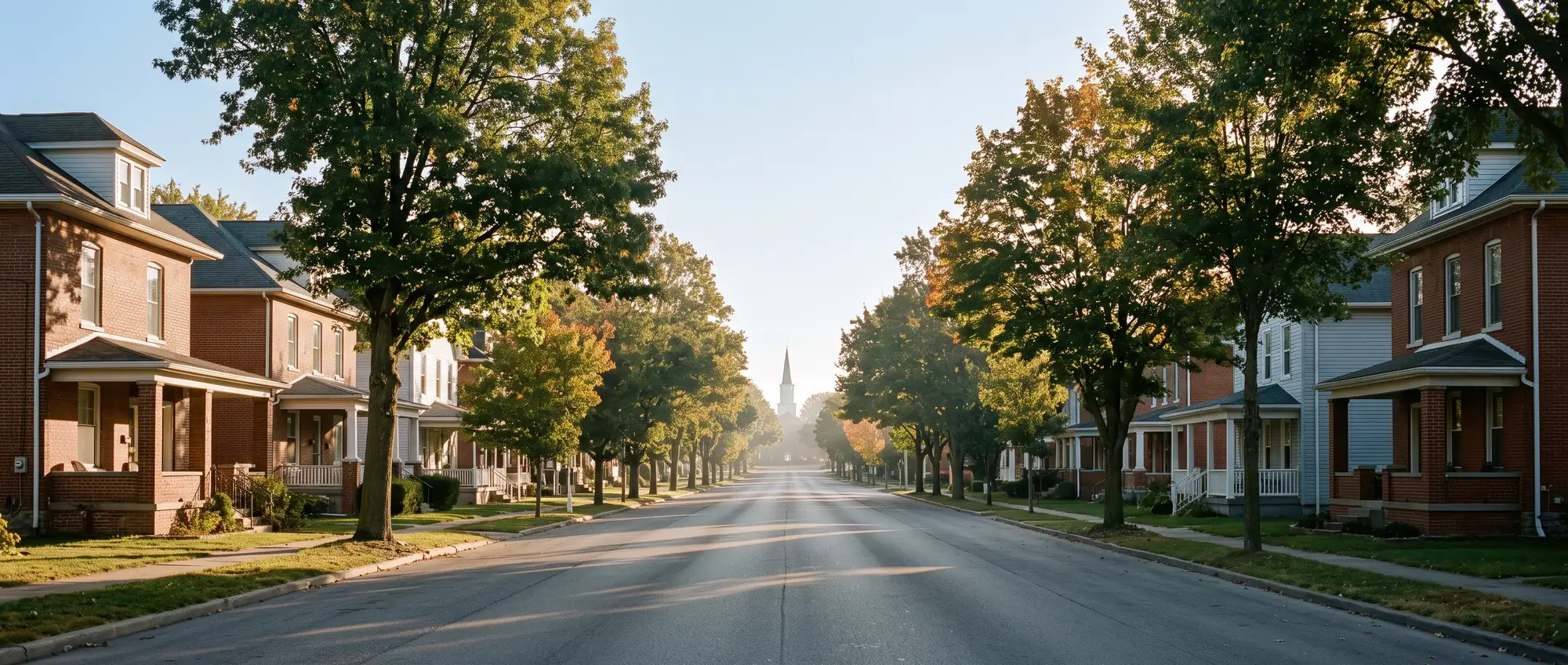
In recent years, the trend of buying FSBO houses—properties listed For Sale By Owner—has gained significant momentum. This approach often allows buyers to secure better deals compared to traditional sales, as sellers may be more willing to negotiate on price without the commission fees associated with real estate agents. However, navigating the FSBO landscape presents unique challenges that require careful consideration and preparation.
When purchasing a FSBO house, buyers must be diligent in their research and strategy. Understanding the seller’s motivations and ensuring clear communication are vital components of a successful transaction. Furthermore, buyers should be aware that FSBO transactions may lack some of the protections typically offered in conventional sales, emphasizing the need for thorough due diligence.
The National Association of Realtors (NAR) noted that home sales would spike this year, which adds urgency to the process. As you embark on your journey to buy an FSBO house, equipping yourself with the right knowledge and tools will empower you to navigate this evolving market effectively. By following the essential tips outlined in this article, you can enhance your chances of a successful purchase while minimizing potential pitfalls.
Tip 1: Do Your Research
Understanding the local real estate market is critical when buying an FSBO house. Conducting thorough market research empowers you to make informed decisions and negotiate effectively.
Begin by checking comparable home sales in the area. Look for properties similar in size, age, and condition to the FSBO home you are considering. Online platforms like Zillow and Realtor.com provide valuable data on recent sales, enabling you to gauge the fair market value. For example, if you find that comparable homes sold for significantly less than the FSBO asking price, you may have room to negotiate.
Additionally, explore online resources to analyze market trends in your desired neighborhood. Websites such as Redfin and local real estate blogs offer insights into price movements, average days on the market, and buyer demand. If you notice that home prices in the area are declining, this might indicate a buyer’s market, potentially leading to better deals.
By equipping yourself with this information, you will not only strengthen your negotiating position but also avoid overpaying for the property. Being well-informed about the market conditions will serve as a solid foundation for your FSBO home-buying journey.
Tip 2: Get Pre-Approved for a Mortgage
Securing pre-approval for a mortgage is a critical step when buying an FSBO house. This process not only clarifies your financial standing but also strengthens your bargaining position significantly. Sellers are often more inclined to negotiate with buyers who demonstrate financial readiness.
Pre-approval provides a clear understanding of your budget, allowing you to focus on properties within your financial reach. For example, if you receive pre-approval for $300,000, you can confidently target homes priced under that amount, eliminating unnecessary disappointments. This financial clarity also helps you avoid the pitfalls of overextending your budget.
Moreover, in the competitive FSBO market, having a mortgage pre-approval can set you apart from other buyers. Sellers may perceive you as a serious contender, increasing the likelihood of favorable negotiations. Additionally, pre-approval expedites the closing process, reducing complications that can arise during final financing.
For more insights on timing your move and maximizing your readiness, check out Should You Wait To Move? Here’s Your Answer. By being financially prepared, you will navigate the purchasing process more smoothly, positioning yourself for success in buying an FSBO house.
Tip 3: Look for Red Flags
When buying an FSBO house, vigilance is essential. Sellers may neglect to disclose critical issues, leading to unexpected expenses down the line. Be on the lookout for signs of unaddressed repairs, such as peeling paint, water stains, or damaged roofing. These indicators can suggest underlying problems that may not be immediately visible.
Additionally, assess the seller’s transparency during discussions. If a seller is overly evasive about the property’s history or repairs, this could signal potential issues. For example, if they deflect questions about past damage or renovations, you may need to dig deeper or consider walking away.
It’s also wise to request documentation, such as maintenance records and inspection reports. A lack of these documents can indicate that the seller is not forthcoming or that significant repairs have been overlooked.
Lastly, consider hiring a professional home inspector to evaluate the property before finalizing your purchase. An inspector can uncover hidden defects that may not be apparent to an untrained eye, ensuring that you make an informed decision when buying an FSBO house.
Tip 4: Negotiate Effectively
Negotiating effectively is crucial when buying an FSBO house. Unlike traditional transactions, FSBO deals often involve direct communication with the seller, allowing for more flexibility in negotiations. Start by approaching negotiations with confidence. Prepare yourself by researching the local market conditions and understanding the property’s value.
Understanding the seller’s motivations can significantly enhance your negotiating strategy. For instance, if the seller is eager to move due to a job relocation, highlight the speed and efficiency you can offer in closing the deal. Conversely, if the seller is emotionally attached to the home, be sure to express appreciation for the property’s unique features.
Focus on establishing mutual benefits during discussions. Frame your offers in a way that highlights how both parties can gain from the agreement. For example, if you can offer a quicker closing date, it may be advantageous for a seller eager to move.
Additionally, remain open to counteroffers. This demonstrates your willingness to find common ground, which can foster a positive negotiating atmosphere. Remember, successful negotiations often lead to a win-win outcome, ensuring a smoother path to securing your FSBO house.
Tip 5: Conduct a Home Inspection
Conducting a home inspection is a non-negotiable step in the FSBO buying process. An unbiased inspection provides critical insights into the property’s condition, revealing issues that may not be visible during a casual walkthrough. This objective assessment helps you avoid unexpected expenses and ensures you make an informed decision when buying an FSBO house.
When hiring a professional home inspector, seek someone with experience in FSBO transactions. They will know what specific issues to look for, such as structural integrity, plumbing, electrical systems, and potential pest infestations. For example, hidden mold or outdated wiring can pose significant safety hazards and financial burdens.
Additionally, familiarize yourself with common red flags. Look for signs of water damage, cracks in the foundation, or irregularities in the roof. Addressing these concerns early can save you from costly repairs later on. If the inspection uncovers serious issues, you may want to explore your options, including renegotiating the price or, in extreme cases, considering a lien on the property. For detailed guidance on this process, refer to How to Put a Lien on a House: A Comprehensive Step-by-Step Guide.
In summary, a thorough home inspection is essential when purchasing an FSBO property. By prioritizing this step, you will enhance your negotiating power and safeguard your investment.
Tip 6: Understand Closing Costs and Fees
Navigating the closing process when buying an FSBO house requires a thorough understanding of associated costs. Closing costs can significantly impact your overall budget, so it is essential to differentiate between fixed and variable expenses. Fixed costs typically include items like title insurance and recording fees, which remain constant regardless of the transaction’s specifics. Variable costs, on the other hand, can fluctuate based on the property’s location and the services you choose, such as home inspections or attorney fees.
To prepare effectively, compile a detailed estimate of these expenses. For example, if you are purchasing a home in a region with high property management fees, this could increase your closing costs significantly. Reviewing resources like the Understanding Average Property Management Fees: A Regional Breakdown Guide can provide valuable insights into what to expect in your area.
Incorporating these potential costs into your budget will ensure you are not caught off guard. By being proactive in understanding all closing costs and fees, you can make informed decisions and better manage your finances during this critical stage of buying an FSBO house.
Tip 7: Know Your Rights
Understanding your legal rights as a buyer is crucial when purchasing an FSBO house. Unlike traditional sales, where real estate agents navigate the process, buyers must be proactive in protecting themselves. Familiarize yourself with local real estate laws, including disclosures and contractual obligations. This knowledge will empower you during negotiations and ensure compliance with state regulations.
In the event that negotiations break down, knowing your rights can help you make informed decisions. For instance, if the seller refuses to honor agreed terms, understanding your legal recourse can prevent costly disputes. Resources such as “Understanding Laches in Real Estate: Safeguarding Your Property Rights Effectively” can provide valuable insight into protecting your interests throughout the transaction.
Moreover, consider consulting with a real estate attorney. They can clarify any complex legal matters, ensuring you are fully aware of your rights and obligations. By being informed, you mitigate risks associated with direct dealings with sellers, ultimately leading to a more secure transaction when buying an FSBO house.
Wrapping Up: Navigating the FSBO Process
Successfully buying an FSBO house requires a strategic approach and a solid understanding of the unique challenges involved. As highlighted throughout this article, each tip—from conducting thorough research to securing professional inspections—plays a crucial role in ensuring a successful transaction.
By prioritizing open communication and remaining flexible during negotiations, you can foster a cooperative atmosphere that benefits both parties. Additionally, consulting with experts, such as real estate attorneys, can provide essential insights that safeguard your interests.
As you embark on your FSBO journey, remember that continuous learning is vital. The real estate landscape continually evolves, and staying informed about market trends and legal nuances will enhance your decision-making capabilities.
Approach the FSBO buying process with confidence, armed with the knowledge and strategies discussed. This proactive stance not only minimizes risks but lays the foundation for a rewarding investment in your future home. With diligence and preparation, you are well-equipped to navigate this path successfully.